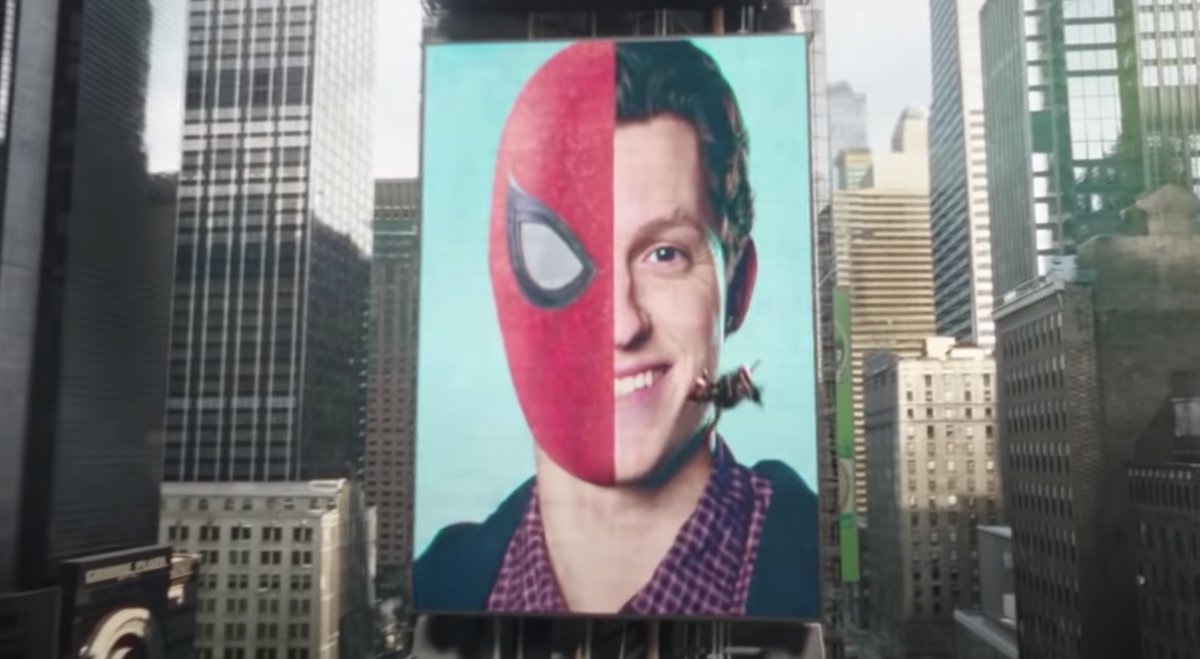
In the vast, ever-spinning web of superhero cinema, few stories capture the imagination quite like the ones that never made it to the silver screen. Among these, The Unmade 'Spider-Man 4': Theories and Fan Desire stands out as a particularly poignant example. It’s a tale of two "fours": the highly anticipated fourth film in Sam Raimi and Tobey Maguire's beloved trilogy, which was ultimately cancelled, and the current, equally anticipated fourth installment for Tom Holland's iteration, currently in early development. Both have generated an immense amount of fan speculation, embodying the enduring appeal of a hero whose journey always leaves us wanting more.
This article dives into the rich history of the Spider-Man 4 that wasn't, the reasons behind its demise, the tantalizing plot threads it left dangling, and how that legacy of speculation continues to shape the fervent anticipation for Tom Holland's next adventure.
At a Glance: The Enduring Saga of Spider-Man 4
- Tobey Maguire's Spider-Man 4 (Cancelled): Intended to follow Spider-Man 3, it was scrapped due to creative differences, studio pressures, and a desire to avoid a cluttered storyline.
- Key Villains Considered (Maguire): Vulture (John Malkovich was a strong contender), Mysterio (Bruce Campbell rumored), The Lizard, and the Sinister Six (deemed too complex).
- Narrative Focus (Maguire): Peter Parker's evolution into adulthood, introduction of Felicia Hardy/Black Cat (Anne Hathaway rumored), and themes of existential crisis.
- Why It Was Cancelled: Hollywood's shift towards reboots, Sony's need to retain film rights, and the success of darker superhero narratives like The Dark Knight.
- Tom Holland's Spider-Man 4 (In Development): A confirmed project following the success of No Way Home, currently in early stages with no release date.
- Current Fan Theories (Holland): Introduction of Felicia Hardy/Black Cat, return of Michael Keaton's Vulture, and a potential appearance in Deadpool 3 connected to the TVA and Kangs.
- The Unifying Thread: Both "unmade" or "undeveloped" Spider-Man 4 projects highlight the intense fan investment in Peter Parker's future and the specific villains or relationships that define his saga.
The Ghost of What Could Have Been: Tobey Maguire's Unmade Spider-Man 4
For many fans, Sam Raimi's Spider-Man trilogy, starring Tobey Maguire, defined a generation's understanding of the friendly neighborhood hero. After the critical and commercial success of Spider-Man (2002) and Spider-Man 2 (2004), and even with the mixed reception of Spider-Man 3 (2007)—which still grossed over $894 million worldwide—the prospect of a fourth film was a given. Columbia Pictures (Sony Pictures) was eager to continue the franchise, but the path to Spider-Man 4 proved fraught with challenges.
The primary hurdle was finding a compelling narrative and a villain that could elevate the series, particularly after Spider-Man 3 was criticized for its overcrowded plot involving Venom, Sandman, and the New Goblin. Director Sam Raimi himself was acutely aware of this pitfall, expressing a strong desire to avoid repeating the mistakes of the third film. This meant meticulously selecting the next antagonist and crafting a story that allowed for deeper character development.
The creative team wrestled with several compelling options for villains. The infamous Sinister Six, a formidable team of Spider-Man's greatest foes, was considered but ultimately deemed too complex for a single film. Instead, individual villains like Vulture and Mysterio gained traction. John Malkovich was a strong contender for Adrian Toomes, the Vulture, a choice that still sparks "what if" discussions among fans today. Bruce Campbell, a frequent and beloved cameo in Raimi's films, was rumored for Mysterio, a character whose illusions could have provided fascinating cinematic opportunities. The Lizard, Dr. Curt Connors, was another perennial consideration, offering a more personal conflict for Peter Parker.
Beyond the villains, the narrative was also poised to explore Peter Parker's evolution into adulthood, a natural progression for a character who had navigated high school and college. There were whispers of introducing a new romantic interest, with Anne Hathaway rumored for the role of Felicia Hardy, who becomes Black Cat—a sophisticated cat burglar and love interest for Spider-Man in the comics, after his relationship with Mary Jane Watson. Explore Kirsten Dunsts Spider-Man as Mary Jane Watson helped define that era, making the prospect of a new romantic dynamic intriguing. Leaked script hints from the time even suggested themes of Peter's existential crisis, hinting at a more mature and introspective direction for the character.
However, external pressures from the broader Hollywood landscape ultimately sealed the film's fate. The industry was shifting towards reboots, a trend notably accelerated by the success of darker, more grounded superhero narratives like Christopher Nolan's The Dark Knight (2008). Sony Pictures, keen to retain the lucrative film rights to Spider-Man, felt the need to reinvent the franchise for a new era. In 2011, the studio made the difficult decision to cancel Maguire's Spider-Man 4 and instead announced the development of The Amazing Spider-Man, starring Andrew Garfield, as a complete reboot. It was a stark reminder that creative ambition often collides with commercial imperative.
The Villainous Roster That Almost Was
The discussions surrounding the antagonists for Raimi’s Spider-Man 4 are a treasure trove of "what if" scenarios that highlight the creative direction the series might have taken. Raimi wanted to streamline, focusing on a more contained, character-driven story after the perceived bloat of Spider-Man 3.
- Vulture (Adrian Toomes): This character was perhaps the closest to realization. John Malkovich's potential casting was exciting, promising a nuanced portrayal of the aging, tech-savvy villain. Vulture offers a compelling contrast to Spider-Man: an older man, driven by personal grievance, utilizing technology rather than superpowers. His story could have delved into themes of legacy, regret, and the dark side of ambition.
- Mysterio (Quentin Beck): The idea of Bruce Campbell, a horror icon and Raimi's longtime collaborator, playing Mysterio was pure fan service elevated to a genuine creative choice. Mysterio, a master of illusion and special effects, would have allowed Raimi to lean into his more fantastical and visually inventive directorial style, challenging Peter's perception of reality.
- The Lizard (Dr. Curt Connors): A recurring character in the Raimi films, Dr. Connors always felt like a ticking clock, his transformation into The Lizard a deferred inevitability. While he eventually appeared as the primary antagonist in The Amazing Spider-Man, his presence in Raimi's plans suggests a desire for a more personal and tragic villain, one deeply connected to Peter's scientific world.
- The Sinister Six: Though considered, the idea of introducing an entire team of villains was quickly set aside. Raimi's reluctance stemmed from the lessons learned with Spider-Man 3 – too many villains can dilute the narrative and prevent any one character from receiving adequate development. It was a wise choice, prioritizing depth over spectacle.
The choice of villain isn't just about who Spider-Man fights; it's about what that fight reveals about Peter Parker. Each of these potential foes offered a unique challenge and a different path for Peter's growth.
Why Do We Still Care? The Enduring Power of the Unmade Film
The lingering fascination with Tobey Maguire's unmade Spider-Man 4 isn't merely nostalgia; it's a testament to the powerful hold of storytelling and the "what if" scenarios that captivate us. For fans, an unmade film represents a road not taken, an alternate reality where a beloved saga might have concluded differently. It allows for endless speculation, fan fiction, and imaginative re-creations, keeping the spirit of that specific iteration alive.
This unfinished chapter also served as an unintentional blueprint, or at least a cautionary tale, for subsequent Spider-Man films. The very reasons for its cancellation – the pressure to reboot, the challenge of villain selection, the desire for fresh narratives – directly influenced the path taken by The Amazing Spider-Man and, later, Tom Holland's MCU tenure. It demonstrates how even a film that never saw the light of day can shape the trajectory of an entire franchise, fueling both creative decisions and fan desire for new interpretations of familiar elements, like Felicia Hardy.
A New Horizon: Tom Holland's Spider-Man 4 and the Cycle of Desire
Fast forward to the present, and the phrase "Spider-Man 4" once again pulses with excitement, this time centered on Tom Holland's beloved iteration of the character within the Marvel Cinematic Universe. After the phenomenal success of Spider-Man: No Way Home (2021), which grossed an astounding $1.922 billion globally and became the third highest-grossing MCU film ever, a fourth stand-alone movie starring Holland was not just expected, but demanded.
While No Way Home provided a thrilling culmination of Holland's initial trilogy, drawing in past Spider-Men and their villains, it also left Peter Parker in a profoundly lonely and reset state. This fresh slate has ignited a new wave of fan theories and speculation for Spider-Man 4, demonstrating that the cycle of desire for Spider-Man's next adventure is as strong as ever.
Current Fan Theories for Holland's Spider-Man 4:
- The Arrival of Felicia Hardy (Black Cat): Much like the speculation for Maguire's Spider-Man 4, the introduction of Felicia Hardy is a persistent and popular theory for Holland's next film. With Peter starting anew, a fresh romantic interest who is also a compelling anti-hero could provide a complex and engaging dynamic. Her street-level escapades would also align with a potentially more grounded direction for Peter after the multiversal chaos.
- The Return of Adrian Toomes/Vulture (Michael Keaton): Michael Keaton's portrayal of Vulture in Spider-Man: Homecoming was widely praised, and his brief appearance in Morbius (though canonically confusing for some) reminded fans of his potential return. Vulture knows Spider-Man's identity from his time working with the Prowler in Homecoming, offering a unique threat or even an unlikely ally down the line. His return could ground the film in Peter's personal history from his first solo outing.
- A More Grounded, Street-Level Story: After the multiversal stakes of No Way Home, many fans anticipate and desire a more localized, character-focused story for Holland's Spider-Man. This would allow Peter to truly grapple with his new reality, hone his skills, and confront threats that directly impact his immediate surroundings, rather than the fate of the entire cosmos.
- The Echoes of the Past, Shaping the Future: While some fans anticipate similar box office success to No Way Home, others exercise restraint, recognizing that Spider-Man 4 will likely be a different kind of film—one focused on rebuilding Peter's world rather than dismantling it.
Spider-Man 4 is currently in early development stages, meaning concrete details are scarce and a release date remains unannounced. However, the rumor mill is churning, and one particularly exciting piece of insider information suggests Holland's "prime" Web-Head is rumored to potentially appear in Ryan Reynolds’ Deadpool 3, scheduled for the first half of 2024. This appearance could involve the TVA assembling a multiversal army against the Kangs, integrating Spider-Man into the overarching Multiverse Saga in a significant way before his next solo outing.
The Web of Theories: What Fans Want (and Expect)
The fervent discussion around Tom Holland’s Spider-Man 4 is a fascinating study in fan engagement and expectation. After No Way Home delivered an unprecedented fan-service event, the bar for the next installment is incredibly high, yet also incredibly open-ended. Fans are not just theorizing; they're actively shaping the discourse around what Spider-Man should be next.
- Felicia Hardy, Redux: The Black Cat theory is particularly potent. Introducing Felicia now would be a smart move, allowing Peter to develop a relationship with someone who understands the complexities of his masked life, but from a morally grey perspective. It offers a new dynamic beyond the high-school romance with MJ (now forgotten him) and the tragic love of Gwen Stacy from other universes. She could be an ally, an antagonist, or both, pushing Peter's moral boundaries.
- Vulture's Second Act: Michael Keaton's Adrian Toomes is an excellent villain precisely because he's understandable. His motivations are relatable, and his presence in the MCU (and potentially the SSU) leaves open intriguing possibilities. Could he break out of prison? Could he be coerced into helping a new villain? Or, perhaps, could his knowledge of Peter's identity be weaponized against him in a very personal way, reminding Peter of the cost of his heroism?
- The New Normal: Peter's "new normal" is perhaps the most compelling blank slate. Stripped of his support system, his friends, his reputation, and even his identity in the public eye, he truly embodies the "lonely hero" trope. Fans want to see him rebuild, navigate college, perhaps even find a new, more independent path for himself as a superhero. This calls for smaller, more personal stakes—a return to fighting local crime, dealing with relatable challenges, and forging a new identity.
- The Multiversal Pull: While a grounded story is desired, the MCU's current trajectory with the Multiverse Saga means Peter cannot entirely escape its gravity. His rumored appearance in Deadpool 3, battling Kangs alongside other multiversal heroes, indicates that even his "grounded" path will eventually lead back to cosmic stakes. The challenge for Spider-Man 4 will be to balance these two scales: making a deeply personal film that also acknowledges and perhaps even sets up his future role in the larger universe.
The collective desire for Holland's Spider-Man 4 isn't just for a good movie, but for a story that respects the character's journey, embraces his current isolation, and sets a meaningful course for his future, proving that even an unmade film, or one in its nascent stages, can ignite an unquenchable thirst for more.
Navigating the Multiverse: Spider-Man's Place in a Larger MCU
Tom Holland's Spider-Man has always been intrinsically linked to the larger Marvel Cinematic Universe. From his debut in Captain America: Civil War to his mentorship by Tony Stark, his journey has been deeply intertwined with the Avengers and the overarching narratives of the MCU. Now, as the Multiverse Saga unfolds, his path is once again poised to intersect with grander cosmic events.
The rumors of his appearance in Deadpool 3 are particularly telling. If Holland's "prime" Spider-Man is indeed recruited by the TVA (Time Variance Authority) to combat the Kangs, it places him squarely in the center of the MCU's current major conflict. This could mean:
- Elevated Stakes: Peter's understanding of the multiverse, his past encounters with multiversal villains, and his unique position as a hero without a public identity make him a valuable asset. His involvement could raise the stakes for his solo films, even if Spider-Man 4 initially focuses on more personal challenges.
- New Alliances: Fighting alongside characters like Deadpool, Wolverine, and potentially other multiversal heroes could forge new relationships and alliances for Peter, expanding his support network beyond the now-forgotten MJ and Ned.
- A "Soft Reboot" for the Character: No Way Home effectively acted as a soft reboot for Spider-Man, wiping the slate clean. His potential role in the Multiverse Saga could define his new purpose within the larger MCU, setting the stage for future appearances and giving his next solo film a clearer direction.
The critical balance for Marvel and Sony will be ensuring that Spider-Man 4 can stand on its own as a compelling Peter Parker story while also contributing meaningfully to the larger MCU tapestry. Fans want to see Peter grow as a person and a hero, and a smart integration into the multiverse, rather than constant high-stakes events, will be key to that growth.
What’s Next for the Web-Slinger? Insights for Engaging Fans
The enduring allure of both the unmade Tobey Maguire film and the highly anticipated Tom Holland sequel highlights a powerful truth: Spider-Man is more than just a character; he's a touchstone for generations of fans. For those who track every rumor, devour every theory, and endlessly debate "what if" scenarios, staying engaged and informed is part of the fun.
Here's how you can navigate the exciting, often speculative, world of Spider-Man's future:
- Follow Official Announcements: While fan theories are thrilling, always prioritize official announcements from Marvel Studios, Sony Pictures, and credible industry news outlets. These are the only sources of confirmed information regarding development, casting, and release dates.
- Engage with Critical Thinking: When a new theory emerges, consider its source. Does it align with established character arcs or studio plans? Is it based on concrete evidence or just wishful thinking? This approach helps separate exciting possibilities from baseless speculation.
- Join the Conversation (Responsibly): Online forums, social media groups, and fan communities are fantastic places to discuss theories and share your passion. Participate respectfully, and remember that everyone has their own vision for the character.
- Embrace the Journey: The beauty of Spider-Man’s story is its ongoing nature. Whether it’s remembering the potential of a cancelled film or anticipating the future of a new one, the journey itself—the speculation, the debate, the shared excitement—is a significant part of the experience.
The legacy of the unmade Spider-Man 4 and the anticipation for Tom Holland's next chapter serve as powerful reminders of Spider-Man's enduring impact. He is a character who continually reinvents himself, inspiring endless stories—both on screen and in the vibrant imaginations of his dedicated fanbase. As we await the next official web-slinging adventure, the theories and desires will undoubtedly continue to spin, keeping the spirit of Spider-Man alive and thriving.